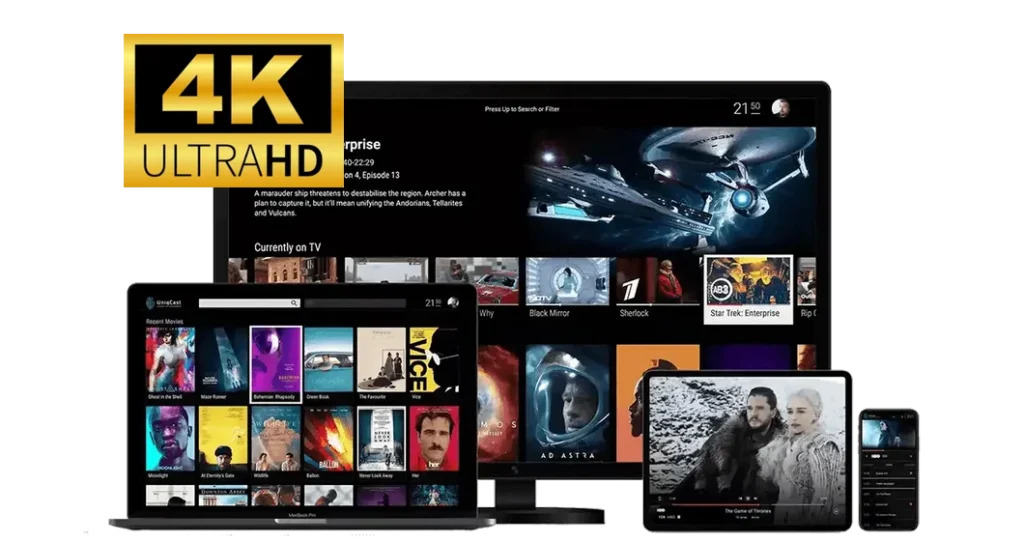
Have you ever felt like trying to find something to watch has become a part-time job? You flip between Netflix, Hulu, YouTube, and live TV, scrolling endlessly while your popcorn gets cold. It’s like a whirlwind of choices, trailers, and “Because You Watched” recommendations swirling around you. There’s a perfect, if unofficial, word for this modern phenomenon: a TVnado.
Think of a TVnado as that overwhelming storm of television and streaming content. It’s not just having a lot of options—it’s the feeling of being spun around by algorithms, new releases, and the sheer volume of it all. In this article, we’re going to weather this storm together. We’ll explain what the TVnado really is, why it happens, and most importantly, how you can navigate it to actually enjoy your screen time again.
What Exactly Is a TVnado, Anyway?
Let’s break down the word itself. It’s a playful blend of “TV” and “tornado.” Just like a tornado picks up everything in its path, the modern media landscape picks up shows, movies, clips, and ads, mixing them into a chaotic funnel that heads straight for your living room.
The TVnado isn’t about one single service. It’s the combined effect of:
-
Too Many Platforms: Remember when TV was just a handful of channels? Today, you have dedicated streamers for every major studio, not to mention live TV services, free ad-supported platforms, and social video apps.
-
Algorithmic Winds: These are the invisible forces that power the TVnado. Services use complex code to guess what you might like next, often creating a loop of similar suggestions that can make it hard to discover something truly new.
-
The Content Deluge: According to a report by Parrot Analytics, the demand for original streaming content has skyrocketed, with thousands of new scripted series produced annually. That’s a lot of TV to even comprehend, let alone watch.
The result? You spend more time browsing than watching, a state sometimes called “analysis paralysis.” You’re not alone if you’ve ever sighed and just rewatched a familiar comfort show because choosing something new felt like too much work.
Why Did the TVnado Form? A Brief History of the Storm
To understand how we got here, we need to look at the weather patterns of the last few decades. The TVnado didn’t appear overnight.
The Calm Before the Storm (The Broadcast Era)
For most of TV history, programming was linear and scheduled. You consulted a TV guide (a physical magazine!), tuned in at a specific time, and everyone watched the same thing. Choice was limited, but so was the stress of choosing.
The Storm Clouds Gather (Cable & The DVR)
Cable TV expanded the number of channels dramatically. Then, devices like TiVo introduced the DVR, letting us time-shift our viewing. Suddenly, we had more control and more content piling up on a “to-record” list. The winds were picking up.
The Perfect Storm (The Streaming Explosion)
Netflix’s shift to streaming in 2007 was the real game-changer. It proved audiences wanted on-demand, commercial-free viewing. This sparked the “Streaming Wars,” with every major company launching its own service. As The New York Times’ technology section often covers, this fragmentation has fundamentally changed how we consume media and how studios do business. We’re now in the eye of the storm, with the TVnado at full strength.
How to Navigate the TVnado: Your Survival Guide
Don’t worry, you don’t need to build a bunker. Navigating the content tornado is about smart strategies, not abandoning ship. Here are some practical tips to take back control.
1. Be the Pilot, Not the Passenger
Stop letting algorithms fly the plane. Actively seek out what you want to watch.
-
Use Curated Lists: Rely on trusted human critics from places like NPR’s Pop Culture Happy Hour or your favorite film reviewer. Their recommendations often cut through the algorithmic noise.
-
Pick a Theme Night: Make it a game. Have a “‘90s Thursday,” a “Documentary Sunday,” or an “International Film Night.” This gives your search a clear focus.
-
The 3-Episode Rule: Commit to watching three episodes of a new show before deciding. This helps you push past a slow pilot and give a series a fair shot.
2. Tame Your Subscription Cycle
You do not need to subscribe to everything at once. This is the single most powerful TVnado-taming move.
-
Rotate Your Subs: Subscribe to one or two services for a month or two. Binge what interests you, then cancel and switch to another. Most services don’t have contracts.
-
Embrace the Freebies: Utilize your local library’s DVD/Blu-ray section or free streaming services like Hoopla. Explore free, ad-supported platforms like Tubi or The Roku Channel for hidden gems.
3. Organize Your Watchlist (Yes, Really!)
A scattered watchlist across six apps is useless. Centralize.
-
Use a Dedicated App: Services like JustWatch or Reelgood let you search for where a title is streaming and build one universal watchlist. You can even set alerts for when something becomes free.
-
The Good Ol’ Notes App: Sometimes low-tech is best. Keep a simple note on your phone titled “Shows to Watch” or “Movies to Check Out.” When a friend recommends something, add it there immediately.
The Future of the TVnado: Will the Storm Calm Down?
It’s unlikely the sheer volume of content will decrease. However, the way we access it might get simpler. We’re already seeing a shift back toward bundling, where services are packaged together (like Disney+, Hulu, and ESPN+). Aggregator apps that bring multiple streamers under one searchable roof are also becoming more common.
The key for the future will be interfaces and algorithms that prioritize true discovery and simplicity over simply pushing the most expensive original content. The goal should be to dissolve the TVnado, not strengthen it.
Conclusion: Finding Your Calm in the Chaos
The TVnado is a symbol of both abundance and overload. We have access to more incredible stories and filmmaking from around the world than any generation before us. Yet, that privilege can feel overwhelming.
Remember, television and movies are meant to be a source of joy, relaxation, and connection—not a source of stress. By understanding the forces that create the TVnado and using a few simple tools to navigate it, you can step out of the whirlwind. You can transform that chaotic funnel of choices into a gentle breeze that brings the perfect show to your screen, just when you need it. Now, if you’ll excuse me, I’ve finally decided what to watch… and my popcorn is ready.